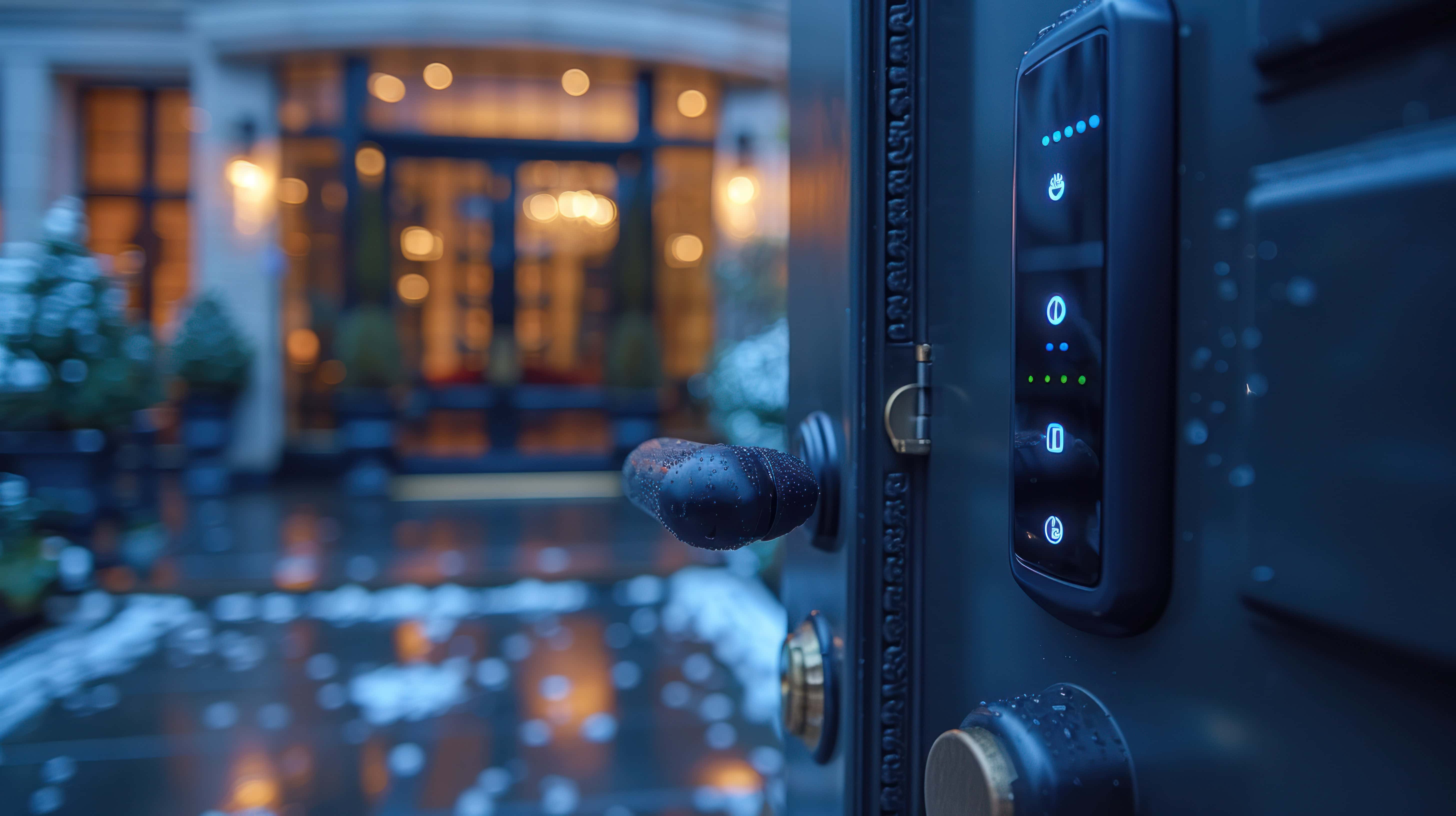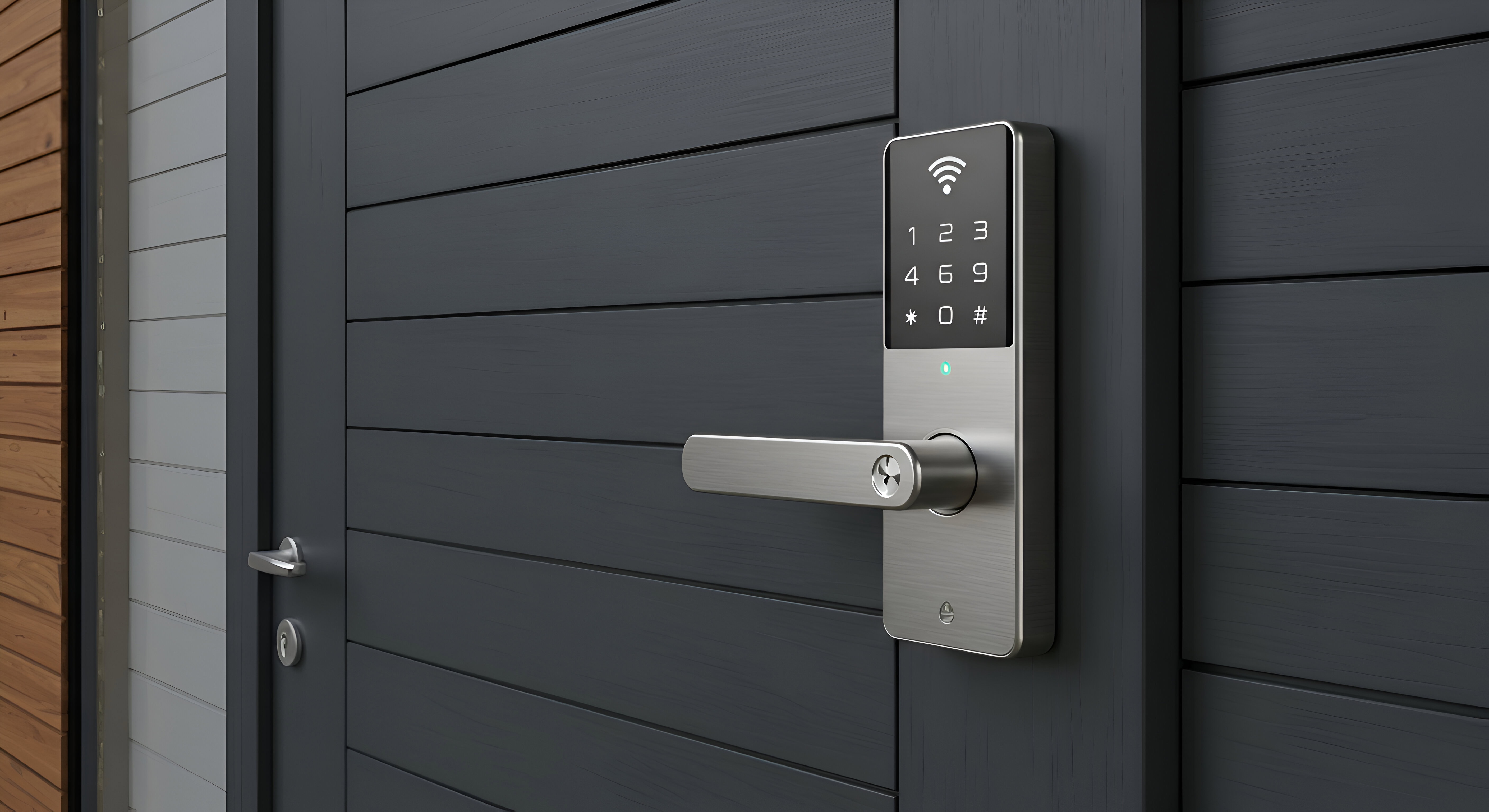
Datwyler smart locks harvest energy directly from your NFC phone tap

Unlocking in under half a second, operating from −30°C to 80°C (−22°F to 176°F), with zero maintenance over their entire service life.

Smart Lock Solutions
THE INDUSTRY CHALLENGE

Battery Failure Is the Biggest Reliability Issue in Smart Locking Systems
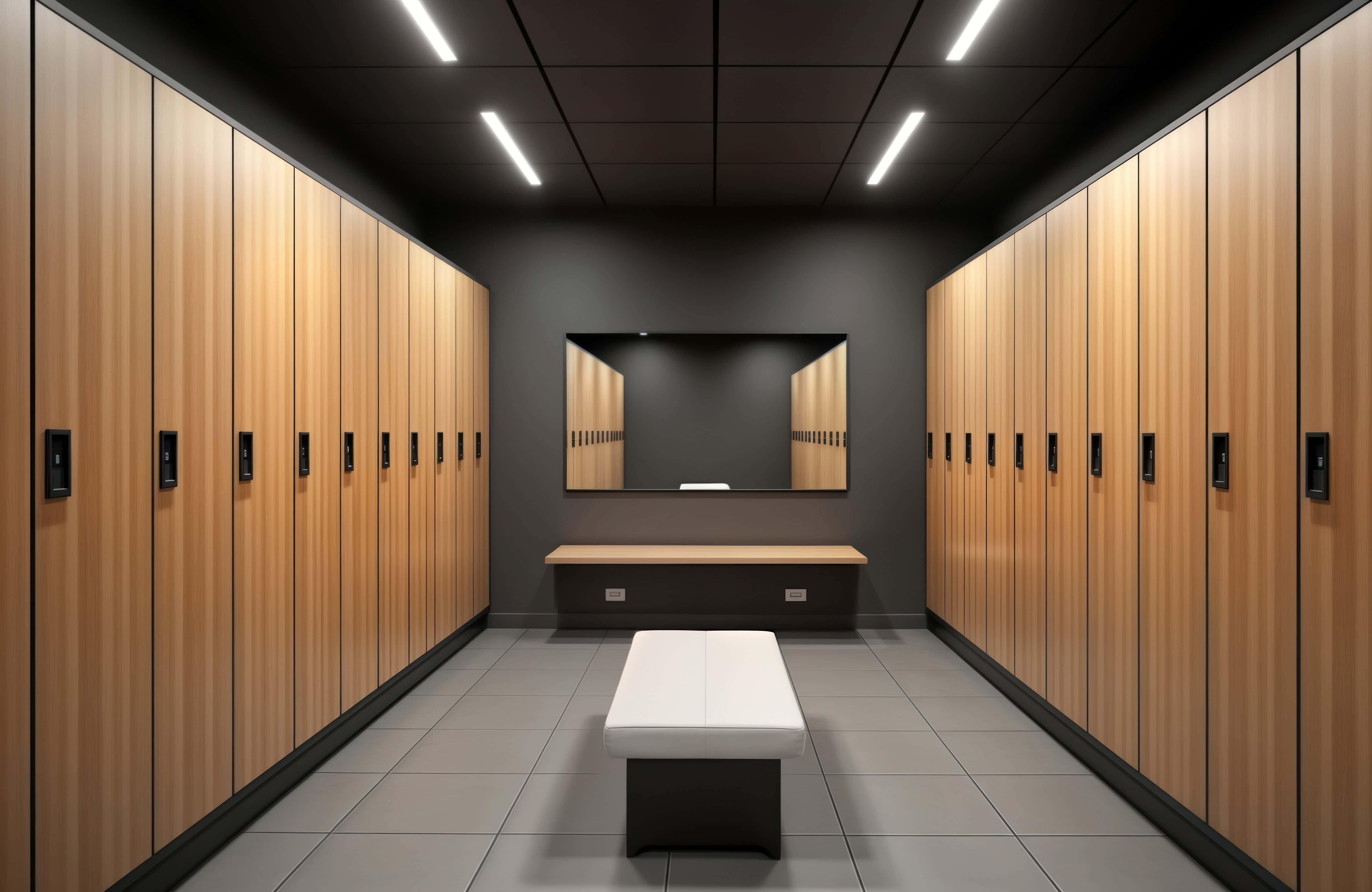
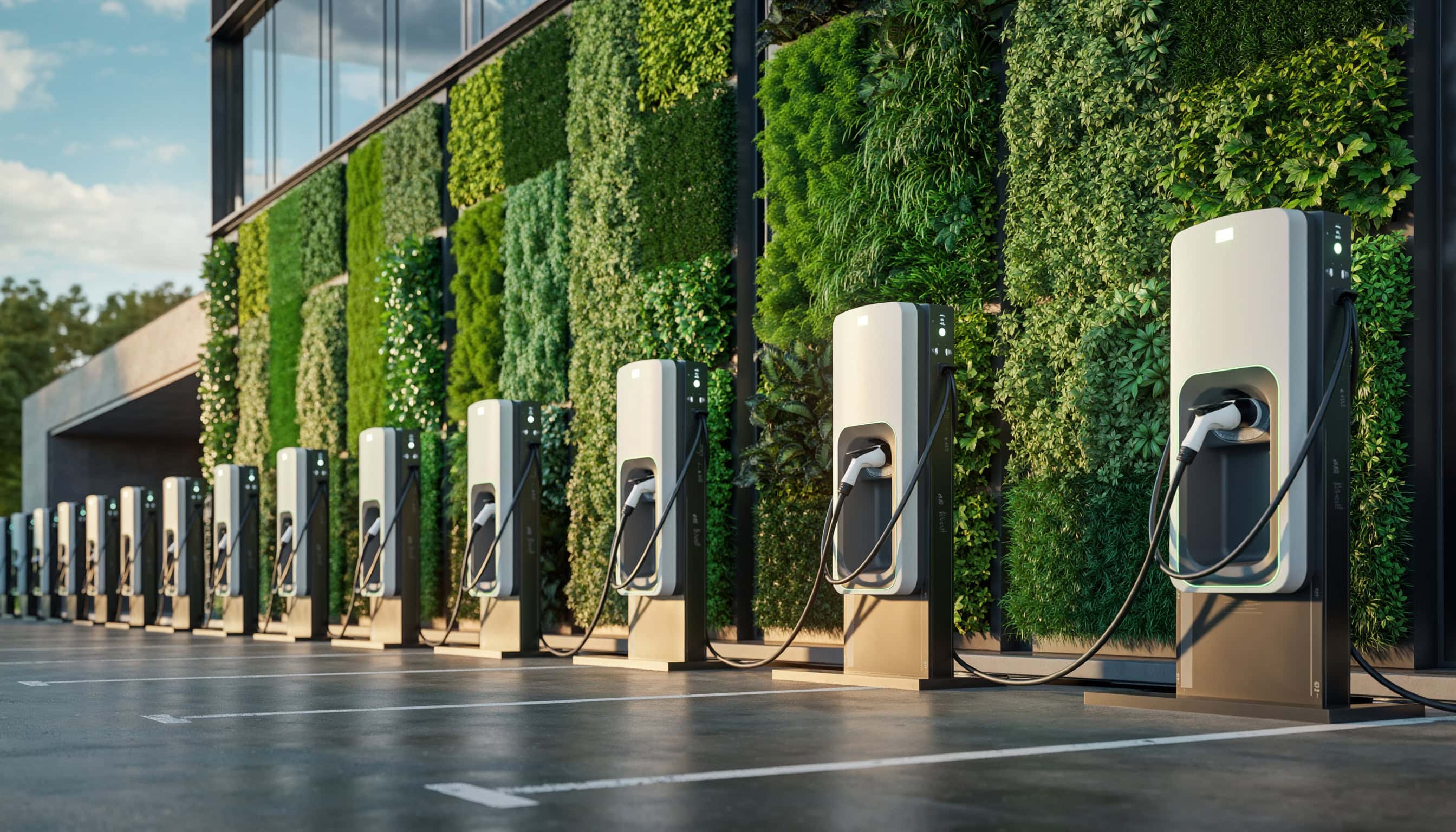
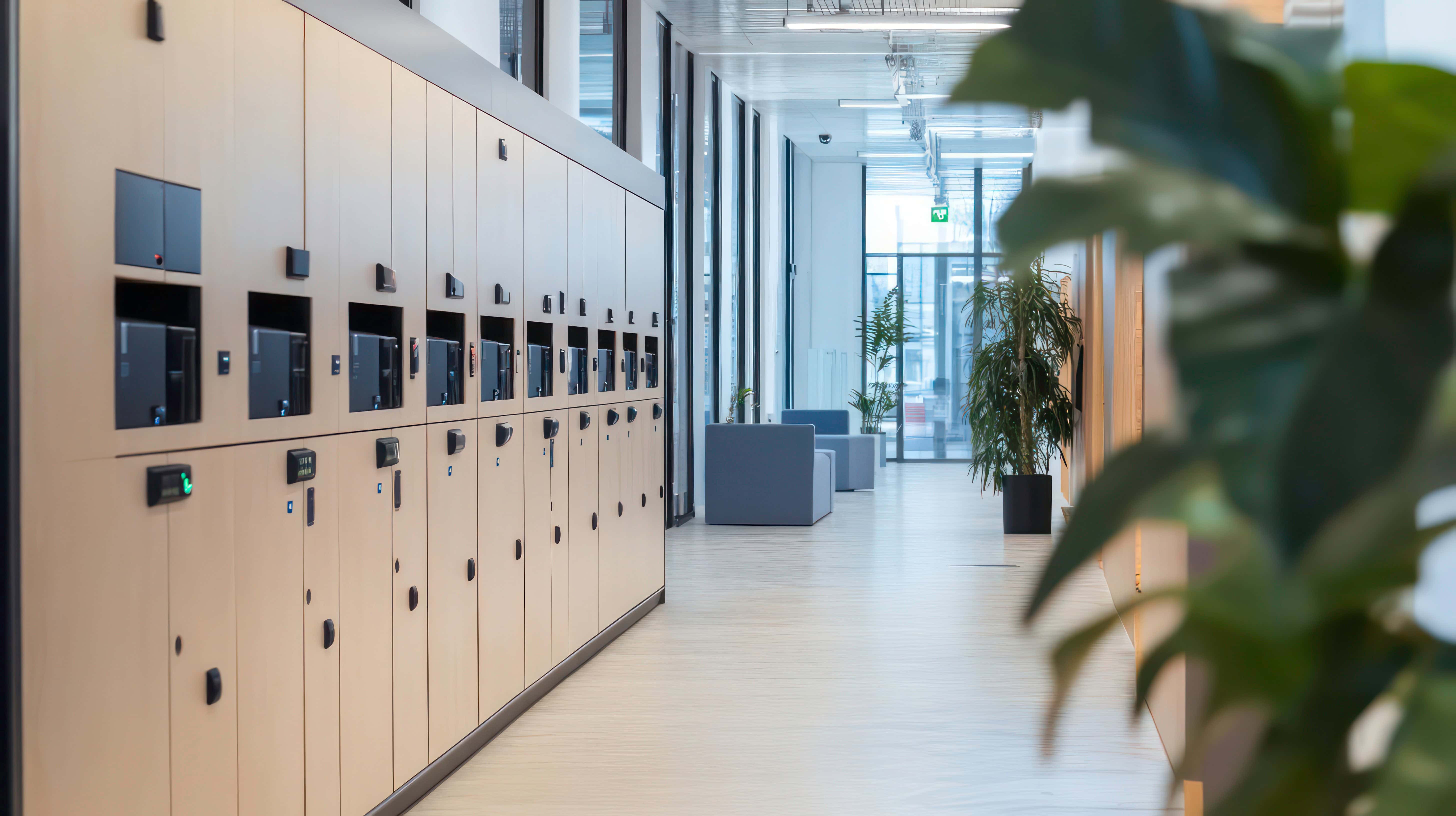
This leads to access disruptions, costly maintenance visits and unreliable system performance in remote infrastructure, multifamily properties, offices, hotels, dormitories, locker systems and automotive and EV charging.

OPERATIONAL PAIN POINTS

  • Constant battery replacement across large deployments
  • Emergency call-outs when locks fail unexpectedly
  • Staff time diverted from revenue-generating activities
  • Customer service volume from battery issues

COST & ENVIRONMENTAL CHALLENGES

  • Cold weather accelerates battery failures
  • 10-year costs reach €250–€600 per lock
  • Hundreds of kilograms of battery waste per deployment
  • ESG and sustainability targets compromised
THE TECHNOLOGY DIFFERENCE

Our Next-Gen Solution Enable the Future of Outdoor and Indoor Smart Locks, powered by a brand-new actuator technology.

Providing maintenance-free solutions to enhance security and seamless user experience while reducing operational costs by 80% versus battery-powered locks.

01 – ENERGY

NO BATTERY REQUIRED

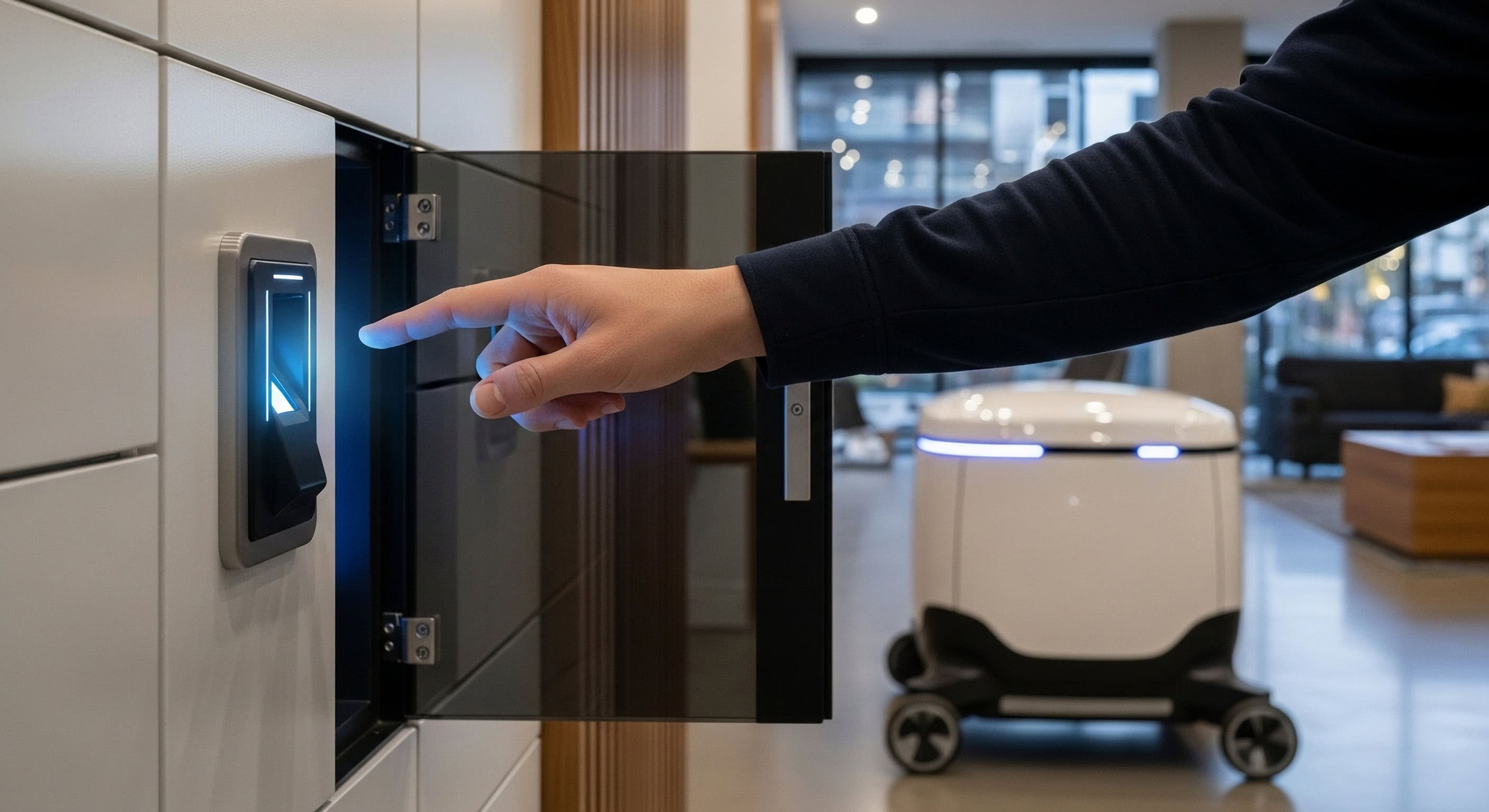
  • Energy harvested from NFC tap
  • Instant response every time

02 – TEMPERATURE

EXTREME RANGE

  • Works from −30°C to 80°C
  • No performance loss in extreme weather

03 – MAINTENANCE

ZERO SERVICE CALLS

  • No maintenance visits required
  • 10+ years maintenance-free lifespan

04 – INSTALLATION

NO WIRING

  • Easy retrofit integration
  • Fits standard door dimensions

05 – USER EXPERIENCE

SEAMLESS ACCESS

  • Opens in under half a second
  • Works with NFC smartphones and cards

06 – COST

80% LOWER COST

  • No battery replacement costs
  • No emergency service calls

FREQUENTLY ASKED QUESTIONS

Common Questions About EAP Smart Locks

Key Answers for decision-makers evaluating battery-free access control technology.

Datwyler smart locks use an advanced polymer actuator that converts a small electrical charge into mechanical movement. The energy is harvested directly from the NFC signal emitted by your smartphone or card during the tap. A single NFC transaction provides more than enough power — with no battery or wired supply required.

Datwyler smart locks open in under half a second from the NFC tap — comparable to a traditional mechanical key action. Opening time can vary depending on the smartphone model used.

Datwyler smart locks are designed for reliable operation from −30°C to 80°C (−22°F to 176°F). This covers outdoor ski resorts, arctic storage facilities, hot EV charging stations and direct-sunlight installations. Battery-powered alternatives typically fail below −10°C.

No. Datwyler smart locks require no special hardware intervention over its lifetime (such as lubrication or part replacements).

Datwyler smart locks deliver approximately 80% lower cost over 10 years. Battery-powered locks typically incur €15–€25 per lock per year in parts and labour, plus €85–€300 per emergency call-out. A 100-lock deployment with Datwyler smart locks eliminates €15,000–€25,000 in routine costs and €5,000–€15,000 in emergency costs over 10 years.

Yes. Datwyler smart locks have been designed to fit within industry-standard door preparation sizes. No wiring or power supply infrastructure is required. Contact us to discuss how to directly drop-in retrofit into your existing door hardware without any structural modification to the door, frame, or surrounding building fabric.

Datwyler smart locks are compatible with all standard NFC credential formats, including NFC-enabled smartphones. The technology is compatible with the broad range of NFC credential management platforms used in hospitality, building management and enterprise access control. Datwyler smart locks can also be compatible with RFID credential formats (e.g. RFID access cards) for situations where NFC-enabled smartphones cannot be used, but this version involves batteries for the energy supply, thereby limiting the temperature range.

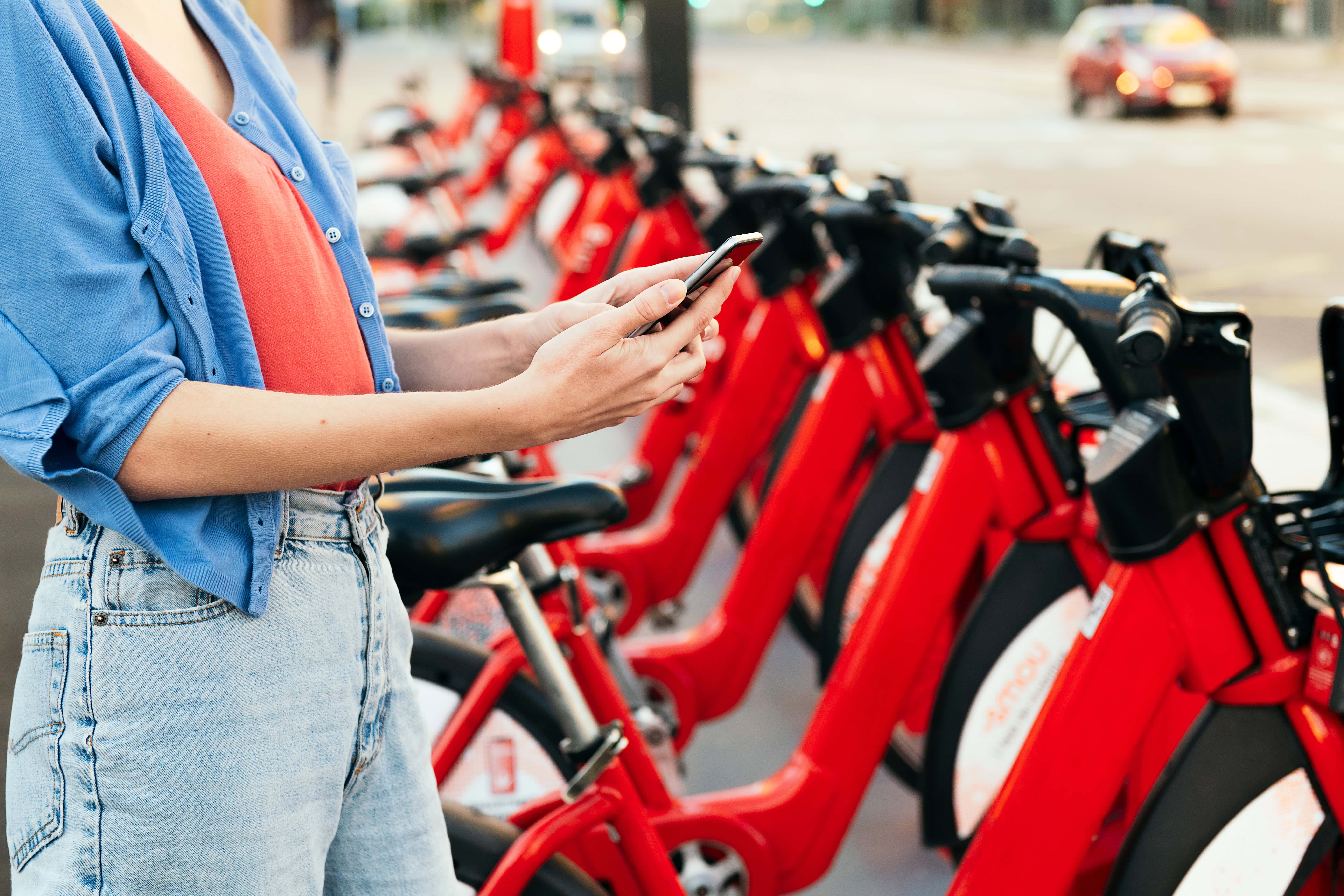
Datwyler smart locks are being evaluated across self-storage, hotels and hospitality, ski resorts and alpine facilities, multifamily residential and build-to-rent, EV charging infrastructure, IT and critical facilities, smart lockers and cabinet systems, and bike locks and micro-mobility infrastructure.

Loading...