Since their inception, wearable devices have primarily focused on monitoring external user behavior and activity levels. However, recent breakthroughs in functional materials, electronics, and advanced algorithms are expanding the data landscape.
Today, we can collect an ever-increasing number of data points continuously and unobtrusively. This abundance of information offers a transformative opportunity for deeper contextual understanding, moving beyond simple behavior tracking to objective assessments of a user’s mental and physiological status.
In this contribution, we review recent advancements in the field, with a specific focus on how sensor fusion and seamless access to biosignals such as EEG and EMG are reshaping the next generation of wearable devices. Key highlights of the speech:
Reliable Long-Term Data for EMA/ EMI
- The Challenge: Effective mental health support relies on Ecological Momentary Assessment (EMA) collecting data in a user’s natural environment at various time points to avoid the bias of episodic self-reporting.
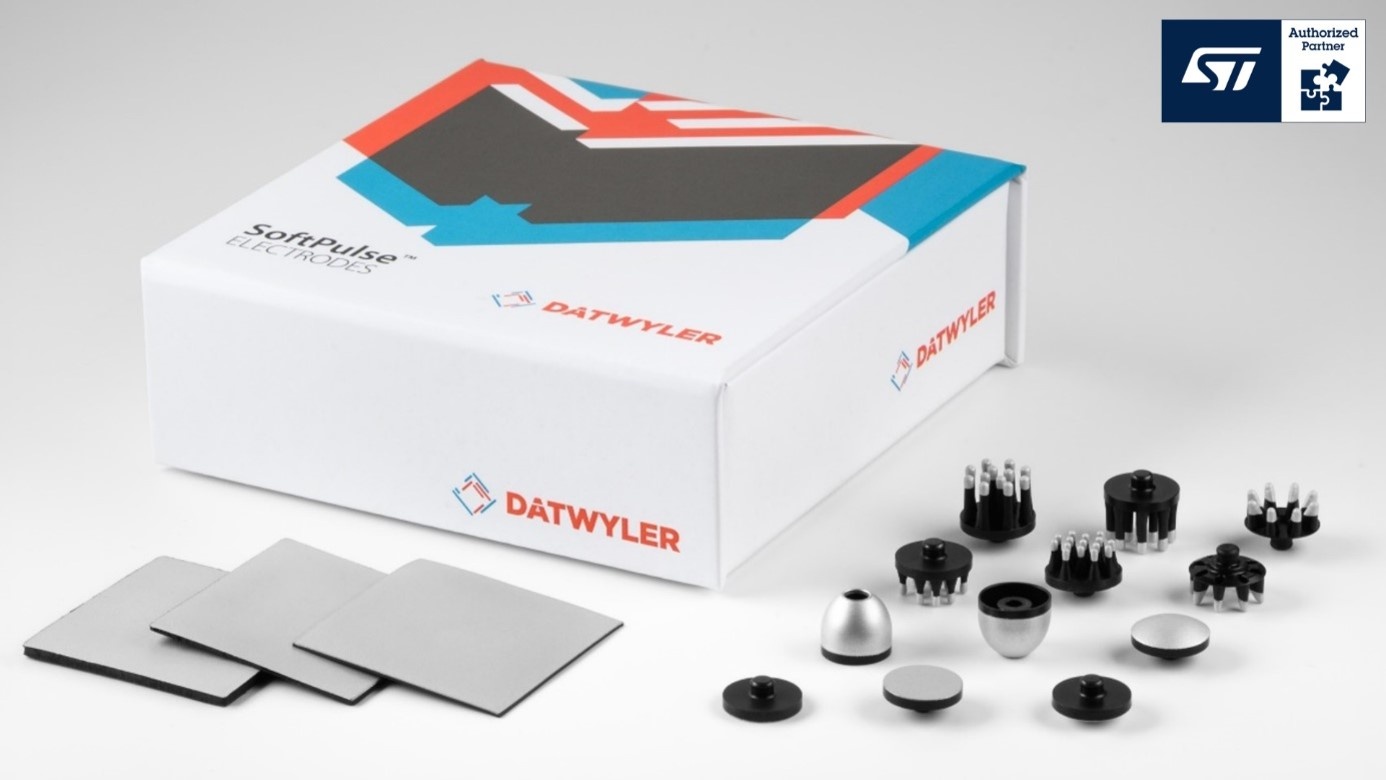
- The SoftPulse® Solution: To capture a true biological “baseline” for mental health, sensors must be worn continuously. SoftPulse®electrodes are designed for long-term data collection, providing the high-fidelity signals (EEG, HRV) necessary to track cognitive load and stress levels over days or weeks without signal degradation.
Dry Use for Frictionless Integration
- The Challenge: Wearable devices must improve life without friction; if a device is cumbersome or requires gels, it won’t be worn, and the data quality becomes irrelevant.
- The SoftPulse® Solution: Our dry-use electrode technology eliminates the mess and irritation of traditional conductive gels. This allows for “invisible” integration into daily-use form factors like headphones or glasses, making mental health monitoring a seamless part of the user’s habit.
Customizable Form Factors for Sensor Fusion
- The Challenge: Mental health insights require more than just heart rate; they need “sensor fusion” combining biopotentials with environmental data to distinguish between physical exertion and emotional arousal.
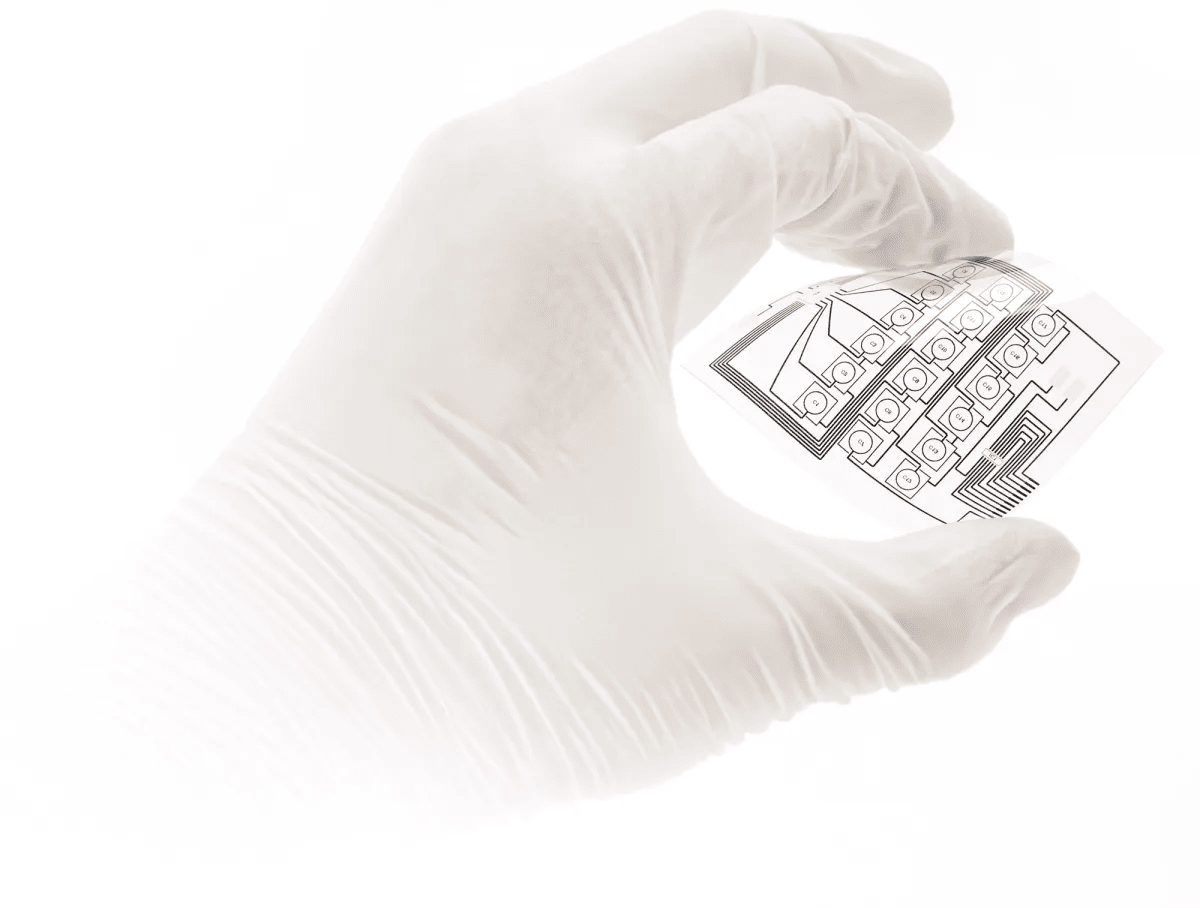
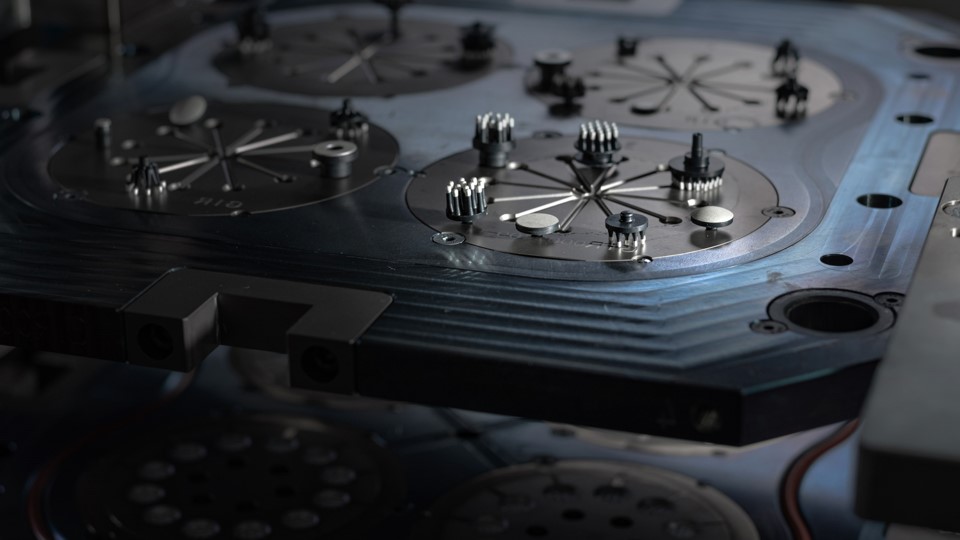
- The SoftPulse® Solution: Because SoftPulse® is highly customizable, it can be integrated into diverse form factors (rings, wristbands, or ear-worn devices). This flexibility allows developers to place sensors in the precise locations needed to collect the high-accuracy biological data required for sophisticated AI emotion and stress models.
High Performance for Real-Time Intervention
- The Challenge: The ultimate goal of mental health wearables is Ecological Momentary Intervention (EMI) providing real-time feedback, such as suggesting a break when cognitive workload is too high.
- The SoftPulse® Solution: EMI requires high-performance sensing that can deliver clean signals instantly. SoftPulse® electrodes provide the medical-grade signal quality needed for algorithms to make reliable, real-time assessments, ensuring that the user receives accurate advice at the exact moment they need it.